
Jump to:
라무네는 대리석으로 밀봉된 병과 상큼한 감귤 향으로 유명한 일본의 전통 탄산음료입니다. 미국의 7 Up 및 Sprite와 같은 많은 서양 탄산음료에 비해 라무네는 일반적으로 탄산이 더 부드럽고 덜 날카로운 느낌을 줍니다. 또한 미각 세척제로 잘 작동하는 깨끗하고 과일 향이 나는 뒷맛으로 더 가벼운 느낌을 줍니다.
대조적으로, 서양 탄산음료는 종종 탄산이 더 강하고, 단맛이 더 뚜렷하며, 더 무겁고 시럽 같은 질감을 가지고 있습니다. 또한 일반적으로 일상적인 소비를 위해 설계된 더 크고 편리성에 초점을 맞춘 형식으로 포장됩니다.
이를 염두에 두고 일본의 대표적인 탄산음료인 이 탄산음료의 독특한 점, 서양 탄산음료와 어떻게 다른지, 언제 가장 맛있게 즐길 수 있는지 자세히 살펴보겠습니다.
무엇입니까? 라무네 소다?

라무네는 일본 전역의 여름 축제에서 향수를 불러일으키는 인기 상품이자 해외 애니메이션 모임에 꼭 필요한 행사입니다. 대리석 마개 봉인을 '팝핑'하는 코드넥 병입 기술을 보존한다는 점에서 '마블 소다'로 가장 잘 설명됩니다.
이 기사를 읽고 알아보세요 라무네 병을 여는 방법.
이름은 1800년대 후반에 만들어진 '레모네이드' 또는 '레몬네도'의 일반적인 표현입니다. 클래식 오리지널은 상쾌하고 부드러운 맛과 함께 풍선껌 노트를 결합한 독특한 레몬-라임 맛을 가지고 있습니다.
인기 있는 맛은 오리지널 레몬라임, 딸기, 멜론, 블루베리, 유자입니다.
독특한 맛에는 말차, 타코야키, 티라미수, 치즈케이크, 김치 등 탄산음료의 한계를 뛰어넘는 독특하고 창의적인 맛이 포함됩니다.
더 알아보기 독특한 일본 소다 맛이 여기에 있습니다.
라무네 소다의 간략한 역사
라무네는 19세기 유럽에서 개발된 초기 탄산음료 기술에서 유래되었습니다.
1809년에 윌리엄 해밀턴은 “오이 병,”는 탄산이 빠져나가는 것을 방지하도록 설계되었습니다. 이 혁신은 1843년 Hiram Codd가 대리석으로 밀봉된 병을 출시하면서 발전했으며, 이는 나중에 라무네의 시그니처 디자인이 되었습니다.
탄산 레모네이드 스타일의 음료는 19세기 중반, 에도시대 서양 무역이 도래하면서 일본에 소개되었으며, '라무네'라는 이름은 '레모네이드'의 일본어 발음에서 유래되었습니다.
19세기 후반에 라무네는 일본에서 상업적 생산을 시작했습니다. 메이지 시대에는 국내 제조가 확대되었고, 1890년대에는 대리석으로 밀봉된 병이 현지에서 생산되었습니다.
일본 메이지 시대에는 라무네 소다가 건강에 도움이 된다고 믿었습니다. 에서 1886년 콜레라 발병, 사람들은 라무네와 같은 탄산음료가 질병 예방에 도움이 될 수 있다고 생각했습니다. 이러한 믿음과 매우 더운 여름 때문에 많은 사람들이 안전하지 않은 물 대신 라무네를 선택했고 매출은 빠르게 증가했습니다.
1935년 업계 리뷰에서는 1886년을 라무네의 중요한 해로 언급했는데, 이때 라무네는 콜레라를 예방할 수 있다는 널리 퍼진(그러나 잘못된) 믿음으로 인해 수요가 급격히 증가했습니다.
라무네 생산은 일본 전역에 약 2,300개의 중소기업이 활동하던 1950년대에 최고조에 달했습니다. 라무네는 일본에서 널리 생산되며 선도적인 제조업체입니다. 하타코센 클래식 버전과 모던 버전을 모두 대중화하는 데 핵심적인 역할을 하고 있습니다.
현대 청량음료의 등장으로 수요가 감소하고 코로나19 대유행으로 인해 더욱 둔화되었지만, 전통적인 유리병을 부활시키려는 노력은 21세기부터 시작되었습니다. 수년간의 개발 끝에 2025년 프리미엄 전체 유리 라무네 병이 다시 출시되어 이 아이코닉한 대리석 팝이 다시 탄생했습니다.
라무네 vs 웨스턴 소다: 주요 차이점

서구 국가에는 라무네 소다만큼 좋은 것이 없습니다.
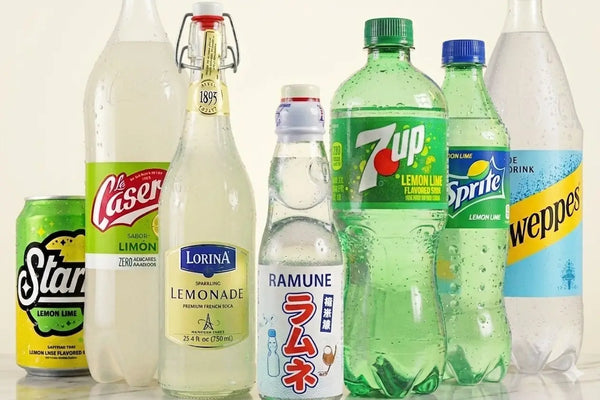
Ramune과 가장 가까운 서양 제품은 미국의 Sprite와 7 Up입니다. 두 제품은 비슷한 투명한 레몬 라임 소다 프로필을 공유합니다.
유럽에서는 유사한 음료에 슈웨페스 레모네이드(Schweppes Lemonade)와 기타 투명 탄산 레몬 소다가 포함되며, 단맛과 산도는 다양하지만 비슷한 스타일을 따릅니다.
Lorina 및 스페인 La Casera와 같은 프랑스 리모네이드와 같은보다 전통적인 유럽 레몬 소다는 더 가볍고 인공적인 단맛이 덜한 스타일과 더 가까운 조합을 제공합니다.
널리 사용 가능한 다른 옵션으로는 Sierra Mist(현재 미국의 많은 시장에서 Starry로 대체됨), 유럽 일부 지역의 Fanta Lemon, 일반 매장 브랜드 레몬-라임 탄산음료가 있으며, 이들 모두는 대중 시장 형태에서 동일한 맛 방향을 공유합니다.
라무네는 독특하고 부드러운 감귤류 풍선껌 맛을 가지고 있지만, 표준적이고 투명한 레몬 라임 소다와 동일한 탄산, 달콤하고 톡 쏘는 레몬 라임 맛 프로필을 공유합니다.
주요 차이점은 그 맛이 약간 더 사탕 같고 덜 시큼하며, 더 가볍고 부드러운 탄산화, 많은 서양 탄산음료에 비해 독특하게 낮은 "입맛"에 있습니다.
단맛 측면에서는 일반적인 고과당 옥수수 시럽 기반 청량음료보다 더 깔끔하고 무겁지 않은 것으로 묘사되는 경우가 많습니다. 이에 대한 자세한 내용은 아래에서 확인하세요.
설탕 함량은 어떻습니까?
라무네 소다는 일반적으로 많은 미국 및 서양 소다보다 제공량당 총 설탕 함량이 약간 낮습니다. 이는 주로 200ml 더 작은 병으로 판매되기 때문입니다. 하지만 여전히 달콤한 음료이기 때문에 저당 음료라기보다는 간식으로 보아야 합니다.
구성 측면에서 라무네에는 일반적으로 100ml당 약 8~10g의 설탕이 포함되어 있으며, 이는 200ml 병당 약 16~25g 또는 병당 약 70~110kcal에 해당합니다. 서양의 탄산음료와 비교하면 설탕 농도는 꽤 비슷합니다. 예를 들어, 코카콜라와 스프라이트에는 355ml당 약 38~39g(100ml당 약 10~11g)의 설탕이 포함되어 있습니다. 즉, 라무네는 부피당 약간 낮지만 전체적으로는 비슷한 범위에 있습니다.
설탕 공급원은 브랜드와 지역에 따라 다르며, 일부 음료는 고과당 옥수수 시럽을 사용하고 다른 음료는 제형에 따라 사탕수수 설탕, 사탕무 설탕 또는 포도당-과당 시럽을 사용합니다. 이러한 차이는 탄산음료 유형 간에 큰 영양적 차이를 만들기보다는 주로 맛에 영향을 미칩니다.
설탕 공급원은 브랜드와 지역에 따라 다르며, 일부 음료는 고과당 옥수수 시럽을 사용하고 다른 음료는 제형에 따라 사탕수수 설탕, 사탕무 설탕 또는 포도당-과당 시럽을 사용합니다. 이러한 차이는 탄산음료 유형 간에 큰 영양적 차이를 만들기보다는 주로 맛에 영향을 미칩니다.
라무네를 독특하게 만드는 것은 무엇입니까?
 기존의 탄산음료와 달리 라무네는 특별한 날이나 축하 행사에서 가장 맛있게 즐길 수 있습니다. 대리석 "팝"은 재미 있고 상호 작용적인 경험을 더해 단순한 음료 그 이상을 만들어줍니다. 야키소바와 불꽃놀이가 있는 여름 축제에서 특히 인기가 있으며, 일본 전통 사탕인 다가시와 함께 곁들여도 좋습니다.
효과적인 미각 세척제인 라무네는 진하고 시럽 같은 뒷맛을 남기지 않고 라면과 같은 풍미 가득한 일본 요리의 풍미를 없애는 데 적합합니다. 상쾌한 레몬-라임 프로필은 특히 스시 롤이나 타코야키와 같은 가벼운 음식과 잘 어울립니다.
칵테일 측면에서 라무네의 거품이 나는 감귤-풍선검 프로필은 진이나 가벼운 소주와 같은 식물 증류주를 위한 탁월한 믹서가 됩니다. 라무네하이(하이볼)의 가벼운 발포성 베이스는 알코올의 특성을 잘 살려주는 반면, 클래식 오리지널은 아이코닉한 베이스의 표준입니다. 일본 멜론 소다.
서양 탄산음료가 눈에 띄는 이유는 무엇입니까?
반면 미국 탄산음료는 쉽게 열 수 있는 탭, 대형 병, 거의 보편적인 가용성을 갖춘 편의성의 왕입니다. 200ml 용량으로 뒷마당 바비큐나 패스트푸드 식사와 같은 대용량 환경에 적합합니다. 라무네 단순히 할 수 없습니다.
음식 조합을 통해 서양 탄산음료는 더 무겁고 진한 음식과도 뚜렷한 우위를 점합니다. 예를 들어, 콜라의 깊은 단맛과 탄산은 매운 요리의 열기를 더욱 효과적으로 상쇄합니다. 스프라이트의 상큼한 레몬-라임 프로필은 버팔로 윙이나 카레와 잘 어울리며, 달콤한 산미는 짠맛의 균형을 맞춰줍니다.
칵테일 믹서로서 서양 탄산음료는 더욱 확립되고 다양한 범위를 가지고 있습니다. 콜라의 달콤한 맛과 거품이 나는 식감은 럼이나 버번의 우디 향과 완벽하게 어울립니다. Cuba Libre, Jack and Coke와 같은 클래식은 일본에서는 복제할 수 없습니다. 라무네. 본질적으로, 대담하고 숙성된 증류주를 중심으로 만들어진 칵테일은 서양 탄산음료의 보다 명확한 프로필에 더 적합합니다.
소다팝 테이크아웃
간단히 말해서, 라무네는 대리석 병, 부드러운 탄산, 깨끗한 감귤류 풍선껌 맛으로 더 가볍고 재미있는 탄산음료 경험을 제공하는 반면, 서양식 탄산음료는 매일의 식사와 칵테일에 대담한 단맛, 편리함, 다용도성을 제공합니다. 둘 다 서로 다른 탄산음료 문화와 음주 스타일을 반영하며, 둘 다 각자의 방식으로 재미있기 때문에 어느 쪽도 다른 것보다 낫지 않습니다!


0 댓글