
Jump to:
세계적인 스포츠웨어 대기업들이 유명인의 지지와 막대한 광고 예산을 통해 시장 점유율을 놓고 경쟁하는 반면, 일본 신발 브랜드는 장인정신, 혁신, 성능이라는 다른 요소로 명성을 쌓아 왔습니다.
가장 좋은 예가 아식스인데, 2025년에는 나이키의 2배가 넘는 영업이익률 17.6%를 달성하면서 유럽 최고의 프리미엄 런닝화 브랜드로서의 입지를 지속적으로 강화하고 있다.
그러나 일본의 신발 이야기는 Asics를 훨씬 넘어서는 것입니다. 일본 브랜드는 대량 생산보다 품질에 중점을 두어 충성도 높은 추종자를 얻었습니다. 많은 기업은 트렌드를 쫓기보다는 소량으로 생산하고 전통적인 제조 기술을 보존하며 목적에 맞게 모든 세부 사항을 개선합니다.
이 가이드에서는 국제적으로 인정받는 브랜드부터 모든 신발 애호가의 관심을 끌 만한 숨겨진 보석까지 일본 최고의 신발 브랜드를 살펴봅니다.
일본 퍼포먼스 러닝화
1. 아식스
성과 달리기 혁신

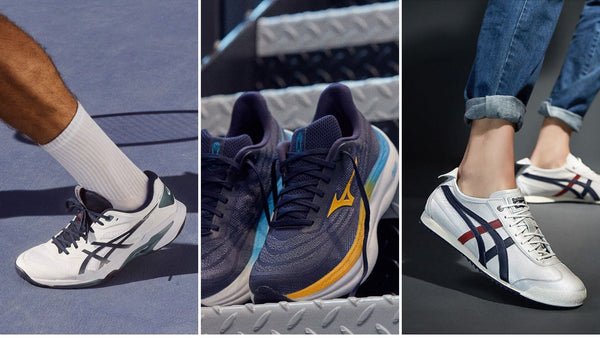
ASICS는 운동화를 안쪽부터 바깥쪽으로 만듭니다. GEL 쿠셔닝과 생체 역학 연구는 엘리트 마라톤 데이터에 대한 테스트를 거친 디자인을 뒷받침합니다.
브랜드의 R&D 투자는 그 결과로 가시적으로 드러납니다. 2025년에 출시된 Metaspeed Ray는 A-TPU라는 독점 폼을 기반으로 제작된 4.5온스의 세계에서 가장 가벼운 슈퍼슈 레이서입니다. 광범위한 라인업을 통해 ASICS는 글로벌 퍼포먼스 러닝 시장의 10% 이상을 점유하고 있습니다. 후원 범위는 World Athletics, Los Angeles Marathon 및 Novak Djokovic을 포함한 개인 운동선수입니다.
Gel-Kayano, Gel-Nimbus 및 SportStyle 라인은 러너와 도시 착용자 모두에게 서비스를 제공합니다. 경쟁적으로 운영하든 진지하게 받아들이든 이것이 벤치마크입니다. Asics 브랜드는 Onitsuka, GTO 및 Jelenk의 세 회사가 합병하여 1977년에 설립되었으며 Onitsuka Tiger 브랜드는 여전히 뚜렷하게 남아 있습니다.
2. 미즈노
최고의 성능을 위해 설계됨

미즈노는 좋은 신발은 뛰어난 생체 역학을 가지고 있다는 전제를 바탕으로 명성을 쌓아왔습니다. 독점적인 웨이브 플레이트 기술에는 전체 미드솔에 충격을 분산시키는 견고한 파도 모양의 인서트가 포함되어 있습니다. 이는 1997년부터 Wave Rider의 엔지니어링 백본으로 현재 27번째 반복을 진행하고 있습니다.
Wave Rider 외에도 Wave Sky 및 Wave Horizon 슈트 러너는 최대의 쿠셔닝을 추구합니다. 흔들리는 밑창을 갖춘 탄소 도금 레이싱 슈즈인 Wave Rebellion Pro는 Mizuno의 가장 최근 출시된 제품 중 하나입니다.
칼 루이스(Carl Lewis)는 1991년 미즈노 스파이크에서 100m 세계 기록을 세웠으며, 그 성능의 혈통은 오늘날에도 여전히 라인업에 남아 있습니다. 미즈노의 일본 국내 제품군은 훨씬 더 넓으며, 전 세계 매니아들이 적극적으로 찾고 있는 다양한 모델은 일본 외부에서는 사용할 수 없습니다.
일본 라이프스타일 스니커즈
3. 오니츠카 타이거
아이코닉 헤리티지 스니커즈

Onitsuka Tiger는 운동화 회사로 시작하여 결국 Asics의 기반이 되었습니다. 복고풍 디자인으로 라이프스타일 브랜드라는 별도의 정체성을 얻었으며 깔끔한 가죽 갑피와 측면 스트라이프 디테일을 갖춘 Mexico 66은 1960년대부터 브랜드를 정의해 왔으며 전 세계적으로 베스트셀러로 남아 있습니다. Serrano, Corsair, Delegation 및 Fabre 모델은 동일하게 일관된 미니멀리스트, 플랫 솔 미학을 유지합니다.
2025년에는 라이프스타일 신발 부문에서 가장 높은 영업이익률 37.7%를 달성했습니다. 14개국 185개 매장은 유통 범위보다는 실제 수요를 반영합니다. 스타일 카테고리가 겹치는 경우, 오니츠카 타이거 vs 아식스 최고의 형제 경쟁입니다.
4. 헨더 계획
수공예 가죽 재해석

Hender Scheme은 Nike Air Force 1, Air Max 97, Air Jordan IV, Adidas Superstar, Vans Era와 같은 세계에서 가장 잘 알려진 운동화를 로고나 합성 소재 없이 염색되지 않은 베지터블 태닝 가죽으로 완전히 수작업으로 재구성합니다. 결과는 즉시 익숙해 보이지만 완전히 다른 것입니다. 착용자가 이미 알고 신뢰하는 모양을 중심으로 제작된 수제 가죽 신발입니다.
각 쌍은 처음에는 창백하게 시작하고 착용함에 따라 어두워지며 이를 착용하는 사람에게 고유한 패턴이 나타납니다. 이 품질은 법적인 불만보다는 아디다스와 사카이와의 공식적인 협력을 얻었습니다. 전 세계적으로 엄선된 소매 파트너를 통해 소규모로 생산되는 Hender Scheme 신발은 수집가의 작품으로 간주됩니다.
5. 메종 미하라 야스히로
아방가르드 디자이너 스니커즈

Maison Mihara Yasuhiro는 파리 패션 위크에서 선보인 풀 패션 하우스로, 의류와 액세서리를 포함하는 더 폭넓은 컬렉션의 중심에 신발이 자리잡고 있습니다. 브랜드를 정의하는 특징은 야스히로가 원래 어떤 기계 공정에서도 복제할 수 없는 약간 왜곡되고 유기적인 모양을 얻기 위해 점토를 손으로 조각한 밑창입니다.
그 수제 프로토타입은 생산 주형이 되었고, 그 결과 이미 실제 사용된 것처럼 보이거나 의도적으로 불완전하여 즉시 알아볼 수 있는 밑창이 탄생했습니다. Peterson, Hank, Wayne 및 George는 핵심 모델로, 각각 친숙한 캔버스 또는 가죽 갑피와 확실한 베이스를 결합합니다.
6. 도자기 같은 신발
가마에서 구운 캔버스 스니커즈

슈즈라이크포터리(Shoes Like Pottery)는 말 그대로 신발을 도자기로 만든 신발이다. 이 신발 한 켤레는 120°C의 가마에서 70분 동안 구워집니다. 이 과정을 일본어로 카류(ka-ryu)라고 합니다. 생고무 내부의 황은 화학 반응을 거쳐 자연적인 탄력성을 회복합니다. 그 결과 기존의 접착 방식보다 더 부드럽고 유연하며 내구성이 뛰어난 밑창이 탄생했습니다. 이 공정은 전 세계적으로 소수의 공장에서만 수행할 수 있으며 Moonstar의 Kurume 시설도 그중 하나입니다.
모든 쌍은 같은 공장에서 장인이 손으로 조립합니다. 시그니처 블루 밑창과 블루 스탬프는 이 제품을 만드는 데 들어간 유일한 외부 신호입니다. 신발 같은 도자기와 상품은 전 세계 셀렉트 숍과 부티크를 통해 판매됩니다.
7. 문스타
내구성이 뛰어난 일상 신발

문스타(Moonstar)는 일본에서 가장 오래되고 지속적으로 운영되는 신발 제조업체 중 하나입니다. 이 회사는 150년 이상 동안 운영해 온 동일한 구루메 공장에서 학교용 신발과 장화부터 캔버스 운동화와 가죽 신발에 이르기까지 모든 것을 생산했습니다. 전국적으로 일본 학생들이 착용하는 학교 신발의 80% 이상을 제조하고 있으며, 이 신발은 1958년 일본의 남극 탐험을 위해 선택되었습니다. 이는 오늘날에도 여전히 생산 표준을 알리는 내구성 벤치마크를 설정했습니다.
Fine Vulcanized 및 All Weather 라인은 핵심 현대 제품군으로, 둘 다 공장의 ka-ryu 가황 공정을 중심으로 구축되었습니다. Shoes Like Pottery는 국제적으로 가장 잘 알려진 하위 브랜드이지만 전체 Moonstar 카탈로그는 훨씬 더 광범위하며 일본 이외의 지역에서는 거의 알려지지 않았습니다.
8. 스팽글
수제 일본 가죽 스니커즈

Spingle은 히로시마에 본사를 둔 일본 운동화 제조업체로, 탁월한 유연성과 내구성을 위해 밑창을 갑피 주위로 감싸는 경화 공정을 통해 모든 신발을 수작업으로 제작합니다. 해외 대량 생산에 의존하는 대부분의 운동화 브랜드와 달리 Spingle은 프리미엄 가죽과 세심한 장인 정신을 결합하여 전적으로 일본에서 생산을 계속하고 있습니다.
시그니처 SP-110 모델은 곡선형 실루엣, 부드러운 가죽, 독특한 밑창으로 인정받아 브랜드의 베스트셀러로 남아 있습니다. 점점 더 많은 국제적인 관심을 받고 있는 SPINGLE은 일상적인 편안함과 절제된 일본 디자인의 균형을 유지하면서 대중 시장 운동화에 대한 세련된 대안을 제공합니다.
일본산 가죽 및 정장 구두
9. 리갈 신발
시대를 초월한 가죽 클래식

Regal은 일본에서 가장 널리 유통되는 가죽 신발 브랜드이자 1914년에 Goodyear welt 구조를 일본에 도입한 회사입니다. Regal의 플레인 토 2504 모델은 약 50년 동안 지속적으로 생산되어 왔으며 세계에서 가장 오래 지속되는 신발 디자인 중 하나입니다. 시간이 지나면서 신는 사람의 발에 맞춰 형태가 바뀌고, 교체하기보다는 밑창을 다시 수리하도록 제작된 신발입니다.
전국적으로 약 120개의 전용 매장이 운영되고 있어 Regal은 진지한 일본 비즈니스 신발의 기본 진입점이 되었습니다. 최근 출시된 REGAL Shoe & Co. 하위 브랜드는 시부야에 본사를 두고 있으며 현대적인 디자인에 동일한 제조 표준을 적용하여 젊은 청중을 대상으로 합니다.
10. 오츠카 구두
헤리티지 드레스 슈즈

오츠카는 서양식 신발이 일본에 문화적으로 존재하지 않았던 메이지 시대 초기에 설립된 일본에서 가장 오래된 서양식 신발 제조업체입니다. 이 신발은 1889년 파리 만국 박람회에서 은메달을 수상했으며, 이 브랜드는 일본 황실에 대한 공급업체로서 황실 영장을 보유하고 있습니다. 이러한 벤치마크는 한 세기가 넘도록 명성을 형성해 왔습니다.
유일한 직영 소매점인 Roppongi Hills 매장은 맞춤 제작 커미션과 함께 기성 가죽 신발을 제공하고 브랜드의 역사를 기록한 상설 신발 갤러리를 보유하고 있습니다. 점점 성장하고 있는 가죽 스니커즈 라인은 캐주얼 웨어에도 동일한 공식 제조 기술을 적용합니다.
11. 스카치 그레인
프리미엄 굿이어웰티드 신발

스카치 그레인(Scotch Grain)이란 스코틀랜드에서 우연히 가죽에 찍힌 밀의 흔적에서 비롯된 미세한 엠보싱 표면 질감을 만들어내는 가죽 마감 기술을 말합니다. Hirokawa Shoes는 고품질 소재에 대한 집착을 나타내기 위해 1978년에 이를 브랜드 이름으로 채택했습니다. 모든 쌍은 교체가 아닌 분해가 가능하도록 제작되었으며 도쿄 스미다 구 공장에서 전적으로 사내에서 생산됩니다.
Assurance 시리즈의 직선 팁 3526은 권장되는 진입점입니다. 브랜드의 핵심 기능성을 보여주는 비즈니스 옥스퍼드입니다. Scotch Grain은 완전히 통합된 자체 생산을 갖춘 유일한 일본 신발 제조업체입니다. 주로 남성 중심 브랜드로 일부 주요 백화점에서 만나보실 수 있습니다.
12. 산요 야마초
세련된 일본식 구두

산요 야마초(Sanyo Yamacho)의 디자인 언어는 클래식함을 중심으로 하고 의도적으로 절제된 디자인을 선보이며, 강렬한 형태보다는 마감 디테일을 통해 세련미를 표현합니다. 심리스 힐, 스킨 스티치 에이프런, 섬세한 스완넥 스티치가 시그니처 노트입니다. 이런 종류의 세부 사항은 가까이서만 볼 수 있으며, 특히 자신이 보고 있는 것이 무엇인지 아는 사람에게만 보입니다. 또한 맞춤형 범위 밖에서 심리스 홀컷 로퍼를 생산하는 세계에서 몇 안 되는 브랜드 중 하나입니다.
시그니처 모델에는 유지로 스트레이트 팁, 칸자부로 U 팁, 타쿠미 시리즈가 있습니다. Sanyo Yamacho는 주로 남성 브랜드로, 소수의 여성 신발을 취급하고 있습니다.
13. 미야기공업
장인이 만든 정장 구두

Miyagi Kogyo는 정기적으로 '일본의 에드워드 그린'으로 묘사되는데, 이는 건축물의 건축 품질과 미적 영국성을 비교하는 것입니다. 이 브랜드는 1964년 영국의 신발 제조업체인 A. Baker & Sons와 기술 파트너십을 체결했으며 그 이후로 일본에서 Barker라는 이름으로 제조 및 판매할 수 있는 라이센스를 보유하고 있습니다.
소매업체가 아닌 제조업체로 운영되며, 일본 전역 및 해외 공인 매장을 통해 유통합니다. 2004년부터 주문 제작 서비스가 가능해졌습니다. 야마가타에 있는 공장에서는 젊은 장인을 적극적으로 양성하고 있으며 일부는 유럽 견습생을 통해 몇 시간 후에 독립적으로 자신의 기술을 개발하고 있습니다.
일본 부츠와 문화유산
14. 브라더 브리지
빈티지에서 영감을 받은 헤리티지 부츠

브라더 브리지(Brother Bridge)는 빈티지한 미국 작업복 미학과 세심한 일본 장인정신을 결합했습니다. 각 쌍은 유명한 제혁소에서 공급된 고급 가죽으로 만들어졌으며 내구성과 손쉬운 해결을 위해 전통적인 건축 방법을 사용하여 제작되었습니다.
Henry, Escape 및 Hemi와 같은 인기 모델은 시간이 지남에 따라 풍부한 녹청을 형성하여 모든 쌍을 소유자에게 고유하게 만듭니다. 소량으로 생산되는 브라더 브리지(Brother Bridge)는 시대를 초월한 디자인과 지속적인 품질을 중시하는 부츠 애호가들 사이에서 충성스러운 추종자를 얻었습니다.
15. 롤링 더빙 트리오
수제 유산 부츠

Rolling Dub Trio는 빈티지 밀리터리, 작업복, 모터사이클 스타일에서 영감을 받은 견고한 가죽 부츠를 만듭니다. 모든 신발은 고급 가죽과 전통적인 Goodyear 웰트 또는 스티치다운 구조를 사용하여 일본에서 수작업으로 제작되며 수십 년 동안 지속됩니다.
Casper 및 Coupen과 같은 모델은 독특한 실루엣과 뛰어난 장인정신으로 유명합니다. 한정 수량으로 생산된 Rolling Dub Trio는 일본에서 가장 존경받는 전통 부츠 메이커 중 하나가 되었습니다.
16. 존 로프그렌 부츠메이커
럭셔리 헤리티지 부츠

John Lofgren Bootmaker는 초기 미국 작업복, 군용 및 엔지니어 부츠 디자인에서 영감을 받은 프리미엄 헤리티지 부츠를 생산합니다. 모든 신발은 엄선된 가죽, 빈티지 스타일의 라스트, 전통적인 굿이어 웰트 구조를 사용하여 일본에서 수작업으로 제작되므로 탁월한 내구성과 수년간 착용할수록 개선되는 핏을 제공합니다.
엔지니어 부츠(Engineer Boot), 컴뱃 부츠(Combat Boot), M-43 서비스 슈즈(M-43 Service Shoe)와 같은 시그니처 모델은 역사적 정확성, 세심한 장인정신, 제한된 생산으로 수집가들 사이에서 높은 평가를 받고 있습니다. John Lofgren Bootmaker는 일본의 정밀함과 클래식한 아메리카나를 결합하여 세계에서 가장 존경받는 럭셔리 헤리티지 신발 제조업체 중 하나가 되었습니다.
컴포트 & 정형외과용 신발
17. Re:getA
인체공학적 컴포트 신발

Re:getA는 자연스러운 발 움직임과 하루 종일 편안함을 최우선으로 생각하는 인체공학적 신발과 샌들을 디자인합니다. 시그니처인 둥근 밑창과 아치를 지지하는 풋베드는 걷는 동안 압력을 더욱 고르게 분산하는 데 도움이 됩니다.
원래 일본의 정형외과 샌들 제조사가 개발한 Re:getA는 운동화, 로퍼, 일상복에 적합한 샌들로 영역을 확장했습니다. 이 브랜드는 편안함이 강화된 세련된 신발을 찾는 사람들에게 인기 있는 선택이 되었습니다.
18. 아카이시
정형외과용 편안한 신발

Akaishi는 자세를 개선하고 발의 피로를 줄이기 위해 디자인된 정형외과에서 영감을 받은 신발을 개발합니다. 모든 신발에는 수십 년간의 발 관리 연구를 통해 개발된 해부학적 모양의 안창과 지지력이 뛰어난 풋베드가 포함되어 있습니다.
샌들, 워킹화, 오래 지속되는 편안함을 위해 디자인된 캐주얼 신발 등 다양한 제품이 있습니다. 이 브랜드는 족저근막염, 건막류 및 기타 일반적인 발 문제를 다루는 사람들에게 특히 인기가 있습니다.
일본 전통 신발
19. 마루고
전통 지카타비 신발

Marugo는 건설 노동자, 농부, 축제 참가자들이 전통적으로 착용하는 발가락이 갈라진 신발인 지카타비의 일본 최고의 제조업체입니다. 독특한 분할 발가락 디자인은 탁월한 내구성을 유지하면서 균형, 유연성 및 지면 느낌을 향상시킵니다.
마루고는 전통적인 작업용 신발을 넘어 러닝, 아웃도어 활동, 일상복을 위한 현대적인 지카타비를 선보였습니다. 이 브랜드는 일본의 가장 상징적인 신발 전통 중 하나를 계속해서 보존하고 있습니다.
20. 하루타
일본을 대표하는 스쿨 로퍼
 하루타는 1917년부터 가죽 로퍼를 생산해 왔으며 여러 세대에 걸쳐 일본 학생들이 신는 학교 신발로 가장 잘 알려져 있습니다. 시대를 초월한 페니 로퍼는 교복은 물론 일상 패션의 필수품이 되었습니다.
Haruta는 학생용 신발 외에도 편안함과 내구성을 동일하게 강조하여 제작된 비즈니스 신발과 캐주얼 가죽 스타일을 제공합니다. 이 브랜드는 클래식 일본 로퍼의 대명사로 남아 있습니다.
언급할 만한 기타 일본 신발 브랜드
일본의 신발 산업은 위에 소개된 브랜드를 훨씬 뛰어넘어 확장되었습니다. 이들 라벨은 국제적으로 잘 알려지지 않았거나 틈새 카테고리에 특화되어 있을 수 있지만, 장인 정신, 혁신, 신발 제작에 대한 독특한 접근 방식으로 충실한 추종자를 얻었습니다.
- 유니언 임페리얼 – 클래식한 장인정신으로 유명한 프리미엄 굿이어웰트 드레스 슈즈.
- 마드라스 – 비즈니스, 캐주얼, 컴포트 가죽 신발을 제작하는 오랜 전통의 제조업체입니다.
- 동양의 제화공 – 핸드메이드 가죽 신발 전문 부티크 드레스슈즈 브랜드입니다.
- 도쿄 샌들 – Rolling Dub Trio 제조사의 프리미엄 수제 가죽 샌들.
- 벤치 – 일본에서 직접 제작한 미니멀리스트 가죽 샌들.
- 이중 발 마모 – 전통적인 제화와 현대적인 디자인을 결합한 캐주얼한 수제 신발입니다.
- 아킬레스 – 일본 전역에서 신뢰받는 일상 운동화, 학교 신발, 아동 신발.
- 아사히 신발 – 내구성이 뛰어난 캔버스 운동화와 학교 신발로 가장 잘 알려진 전통 신발 제조업체입니다.
- 리키오 – 건설, 농업, 축제용 전통 지카타비 및 튼튼한 작업용 신발.
당신에게 딱 맞는 일본 신발을 찾아보세요
일본의 신발 브랜드는 트렌드를 따르는 것이 아니라 기술을 완성함으로써 세계적인 존경을 받았습니다. Asics, Mizuno, Onitsuka Tiger와 같이 가장 잘 알려진 브랜드는 시작에 불과합니다. 그 너머에는 시대를 초월한 드레스 슈즈부터 장인이 만든 부츠, 틈새 컴포트 신발까지 모든 제품을 소량씩, 여러 세대에 걸쳐 세련된 기술로 생산하는 다양한 제화공의 세계가 있습니다.
신발을 넘어 일본 패션을 탐구하고 싶다면 가이드를 확인하세요. 일본 스트리트웨어 브랜드 그리고 일본 의류 브랜드에서는 럭셔리 패션 하우스와 컬트 브랜드부터 시대를 초월한 일상 필수품까지 모든 것을 찾을 수 있습니다.


0 댓글